What pet owners say
★★★★★5.0on Google Play · 22 reviews- ★★★★★
“Booking appointments for my pet is quick and hassle-free. The team guided me throughout the entire process, answered my questions promptly, and genuinely cared about my pet. The service is also very affordable.”
Ayesha A. · Appointment booking · Google Play
- ★★★★★
“My love bird Mithu's foot is completely fine now. Thank you so much to the MatchVet team for your guidance and support.”
Arayn K. · Guidance for a pet bird · Google Play
“The whole process was very smooth — quality vet care within my locality without the hassle of finding a good vet myself. 10/10 would recommend!”
Mahnoor B. · Booking · WhatsApp
Ask Minsa if your pet needs a vet right now
Tell Minsa what’s going on — by text, voice note or photo. She asks the right questions, tells you how soon your pet needs a vet and what to do until then, and connects you with a verified vet if you want one.
Ask Minsa — try freeor chat on WhatsAppMinsa is an AI assistant, not a vet. She doesn’t diagnose or prescribe.
- My cat has not eaten since last night 😟
- I’m sorry — let’s work it out together. Is she drinking water and passing urine normally?
- She drinks, but she’s hiding
- Thanks. A vet should see her today. Want a video consult now or a vet at home?
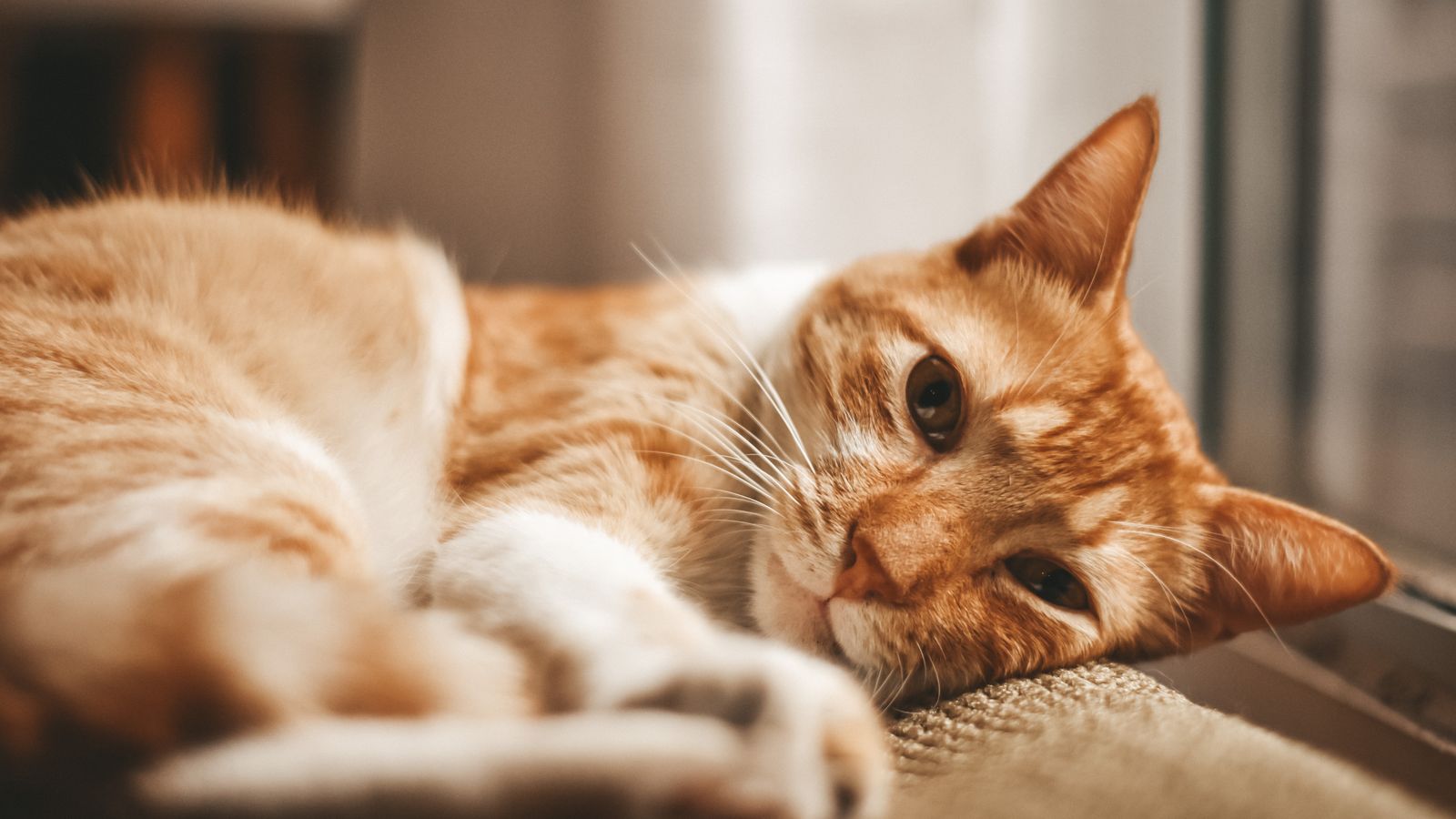
Hairball, or a warning sign?
Cats do bring up the occasional hairball — a tubular plug of swallowed fur — and that alone, in a cat who's otherwise happy and eating, isn't an emergency. Regular brushing reduces it. What's not just a hairball:
- Vomiting several times a week (or several times in a day).
- Blood in the vomit, or dark coffee-ground material.
- Vomiting with not eating, weight loss, hiding, or lethargy.
- Retching repeatedly and bringing up nothing.
"Frequent hairballs" are a common way an underlying gut or metabolic problem shows up — worth a vet check rather than assuming it's normal.
Common causes in cats
- Hairballs and eating too fast.
- Diet — a sudden food change or sensitivity.
- Worms and parasites — see deworming.
- Swallowed foreign objects — especially string, thread, and hair ties (dangerous).
- Kidney disease or an overactive thyroid — common in older cats; new frequent vomiting in a senior cat is a classic clue.
The string danger
If you see thread, string, or tinsel hanging from your cat's mouth or bottom, do not pull it. A "linear foreign body" can bunch the intestine and saw through it — pulling makes it worse. Go straight to a vet.
When to see a vet
Book a vet for frequent vomiting, any blood, vomiting with not eating, weight loss, or a lethargic cat — and immediately for suspected string. Because a car ride stresses a sick cat (and can mask symptoms), a home visit is often the gentler first step: post what you need and verified vets respond.
Frequently asked questions
How often is it normal for a cat to vomit?
The occasional hairball or an isolated vomit in a healthy cat that's eating and acting normally is usually not alarming. But frequent vomiting — more than about once or twice a month, or several times in a day — is not normal, even though cats vomit easily. Persistent vomiting deserves a vet check.
Is my cat vomiting a hairball or something serious?
A true hairball is a tubular plug of fur brought up occasionally, and the cat is fine afterwards. Concerning signs are vomiting that's frequent, contains blood, comes with not eating, weight loss, lethargy, or repeated retching that produces nothing. Long-haired cats hairball more, but frequent 'hairball' vomiting can actually be an underlying gut or health problem.
My cat is vomiting and not eating — what should I do?
That combination needs attention quickly. A cat that won't eat for more than 24 hours (12 for kittens) can develop dangerous liver complications, and vomiting adds dehydration. See a vet the same day. See our guide on a cat that won't eat.
Can string or thread make a cat vomit?
Yes, and it's an emergency. Cats love to swallow thread, tinsel, and hair ties, and a 'linear foreign body' can bunch up and cut through the intestine. If you see string hanging from the mouth or bottom, don't pull it — go to a vet. Repeated vomiting in a cat that plays with thread should always be checked.
Billi ulti kar rahi hai — kya karun?
Kabhi kabhi hairball ya ek baar ulti normal ho sakti hai agar billi theek lage. Lekin baar baar ulti, khoon, khana chhorna, ya sust pana theek nahi — foran vet ko dikhayen. Billi agar dhaaga/thread nigal le to yeh emergency hai. MatchVet par ghar per vet bhi bulaya ja sakta hai — bimar billi ke liye behtar hai.
Sources & further reading
- Cornell Feline Health Center — Vomiting in cats
- International Cat Care — Vomiting
- Merck Veterinary Manual — Vomiting in small animals
Medically reviewed by Dr. Yahya Nawaz (DVM, RVMP) — Founder of MatchVet · In-charge, Civil Veterinary Hospital, Ghang, Sheikhupura. This is general guidance, not a diagnosis; for your own pet, ask a verified vet.